
22 products




Which fish for which dog?
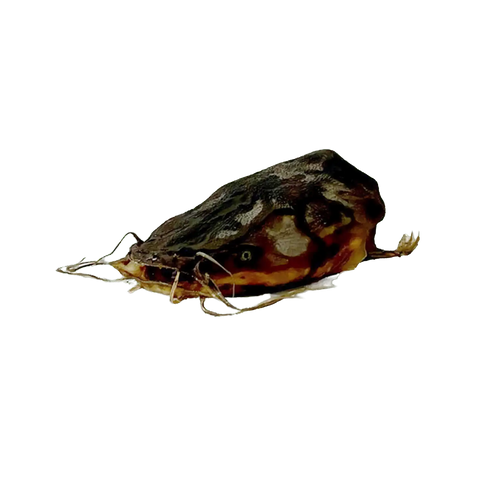
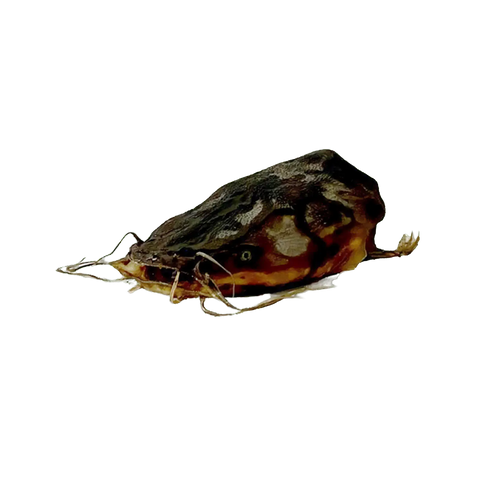
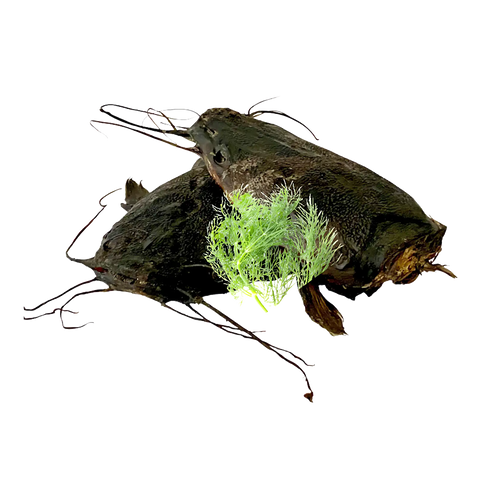
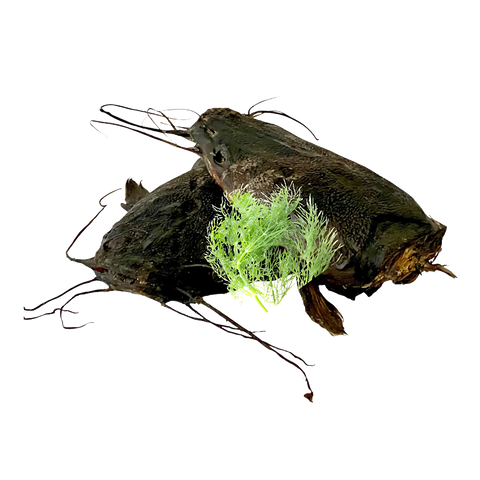
- For long chewing: tuna bones, salmon head, salmon columns, swordfish, catfish crackers. Firm pieces for medium and large dogs.
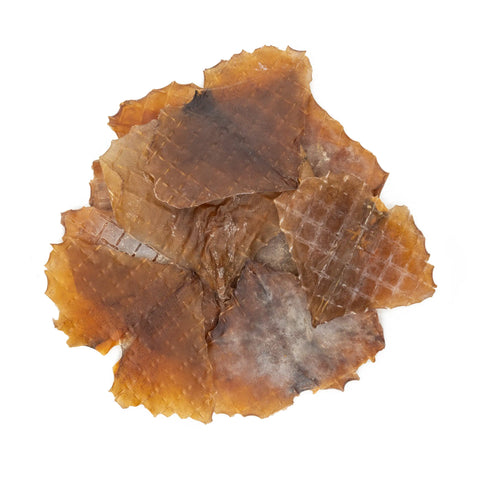
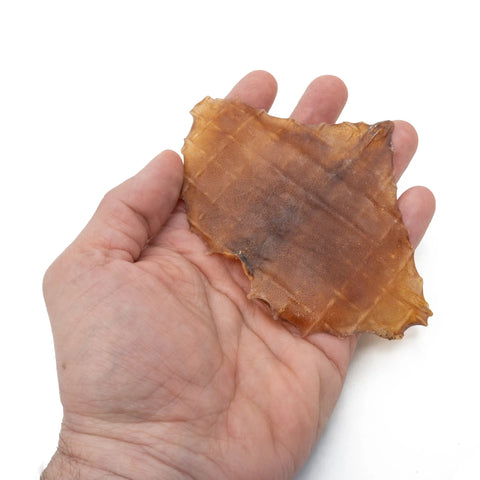
- Crunchy and light: fish skin from hake, tuna, redfish and halibut. Low in fat, crisp, also for small dogs and seniors.
- For training: cod cubes, fish crunchies, anchovies, shrimp. Small, eaten fast, hardly any calories.
- To try things out: the Fish Sample Pack with seven varieties, if you do not yet know what your dog likes.
- Something different: octopus and squid with only 0.5 % fat, the snacks for dogs on a diet.
Why fish for dogs?
Fish provides high quality protein and omega-3 fatty acids that dogs cannot produce themselves. Omega-3 supports skin, coat, joints and the immune system. On top of that, fish is a new protein source for most dogs, one the immune system does not react to. That is why vets recommend fish as one of the first alternatives for food allergies.
Can dogs eat fish?
Yes, dried or cooked without seasoning. Raw fish can contain parasites, tinned fish too much salt and oil. Dried fish snacks are the safe option: drying kills germs, and bones become brittle and crumble when chewed. All our fish products are simply dried, nothing else.
Does it smell?
Yes, of fish. For dogs that is exactly the appeal, even food refusers go for fish. The bags are resealable, kept closed nothing smells in the kitchen.
How much fish can my dog have?
Snacks should make up no more than 10 % of the daily ration. Fish snacks are low in fat, so within that limit they can be given daily. For dogs with kidney problems ask your vet first, fish is rich in phosphorus.
Related categories: Single protein treats, Treats for allergies, Skin and coat, Purwell.
