
27 products








How do I recognise a food allergy?
The most common signs are itching without parasites, recurring ear infections, paw licking, red skin on the belly and soft stool or diarrhoea without an obvious cause. Usually the dog reacts to a protein it has had often and for a long time: chicken and beef top the list, then wheat, milk and soy. The diagnosis is made by the vet with an elimination diet.
What does hypoallergenic mean for dog snacks?
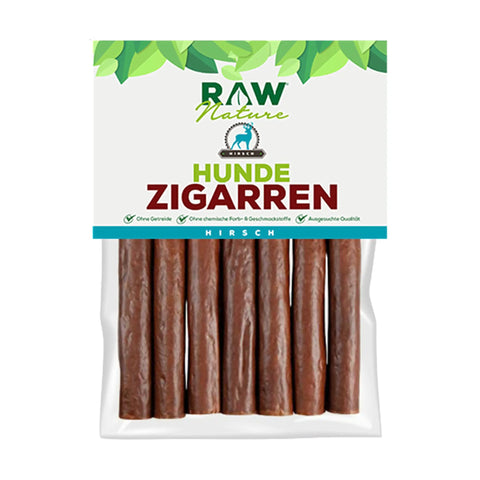
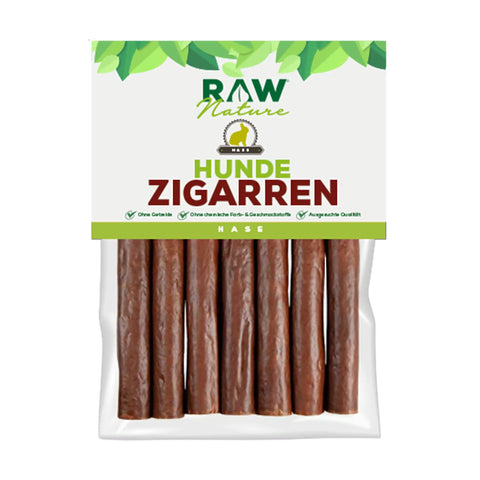
Hypoallergenic does not mean allergy free, it means: as few and as rare ingredients as possible. For us that means a single animal species your dog has probably never eaten, no grain, no sugar, no additives. Every product in this category meets that rule.
Which snacks for which allergy?
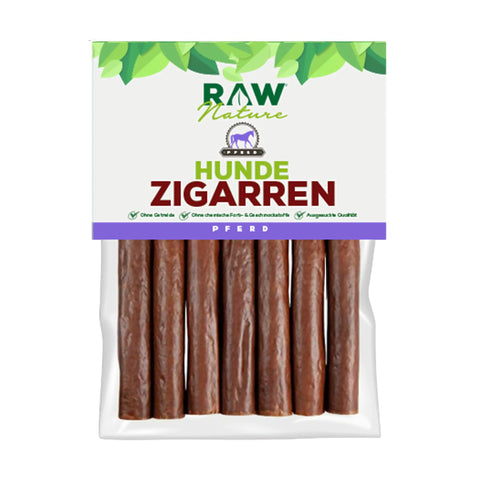
- Allergy to chicken: everything except poultry. Horse, fish, game, lamb, goat. Be careful with duck, some dogs react to all poultry.
- Allergy to beef: horse, fish, game, goat, duck. No beef, no tripe, no beef skin.
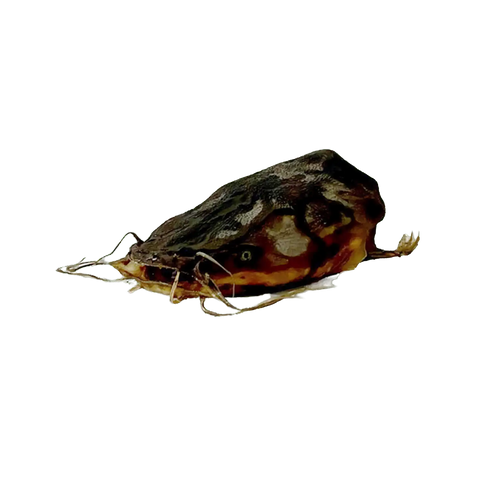
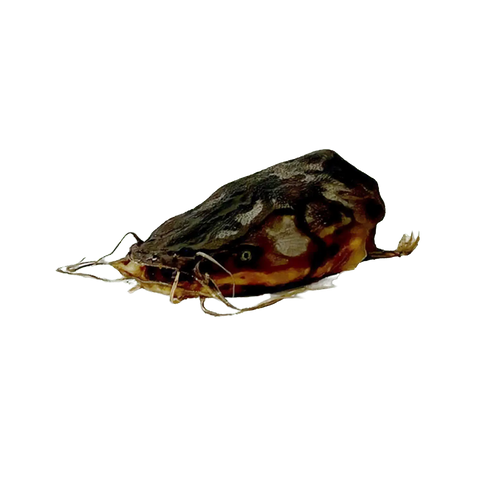
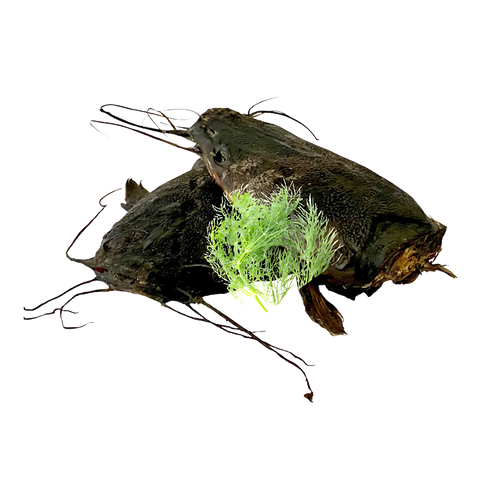
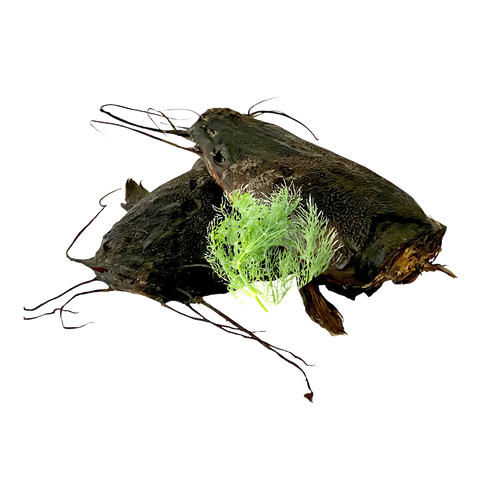
- Allergy to several meats: fish, octopus, shrimp, or entirely without meat: cheese chews, coconut sticks, chew wood, daphnia snack sausage.
- Grain intolerance: all products here are grain free.
Snacks during the elimination diet
During the diet the dog gets only one protein source for 6 to 8 weeks, usually one it has never had. Snacks must be from the same species, otherwise the result is worthless. Ask your vet which species you are using, then pick the matching category: horse, fish, game, goat or lamb.
Chews for allergies
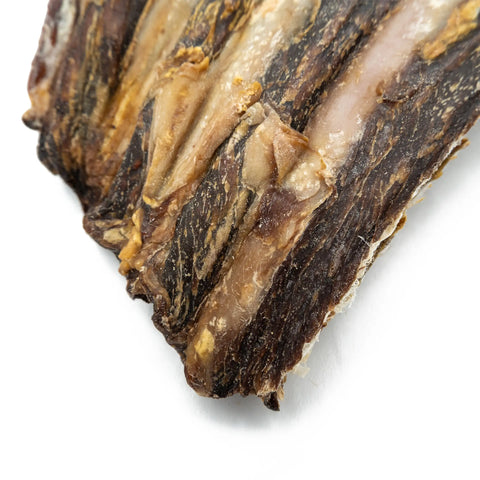
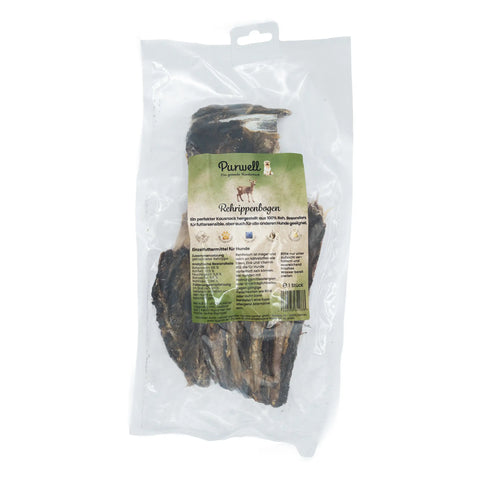
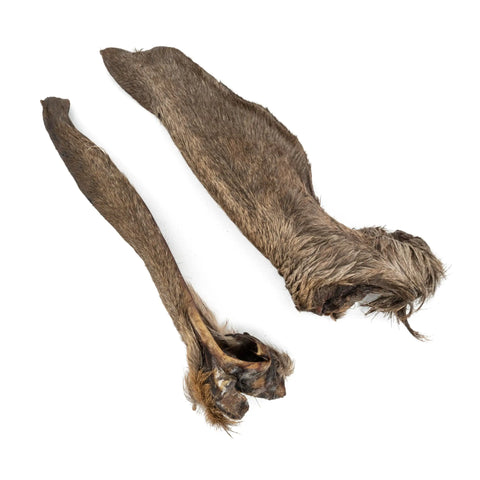
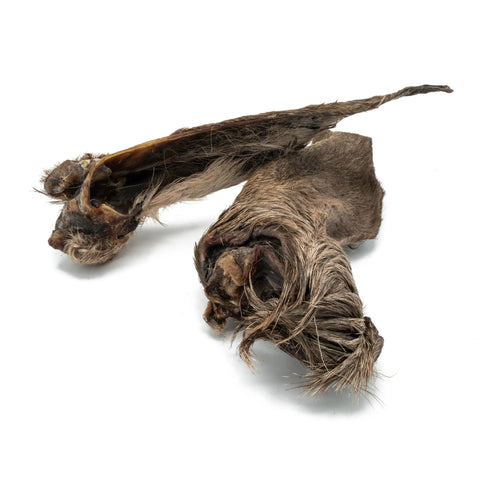
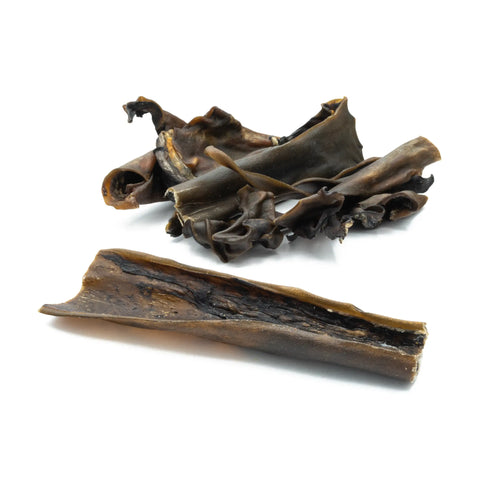
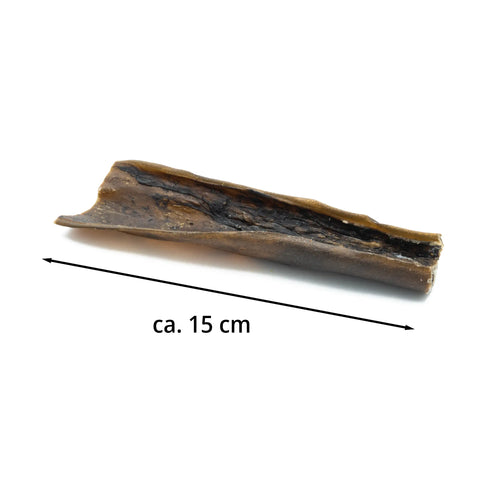
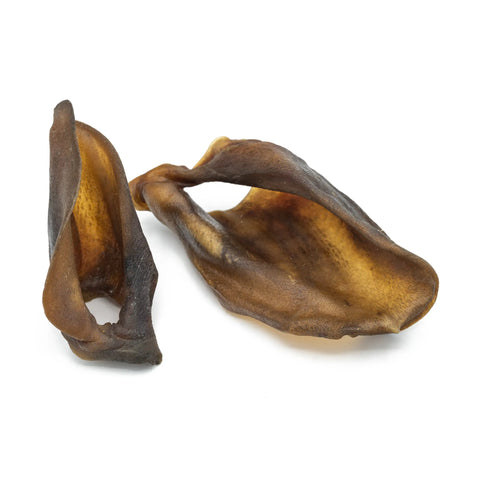
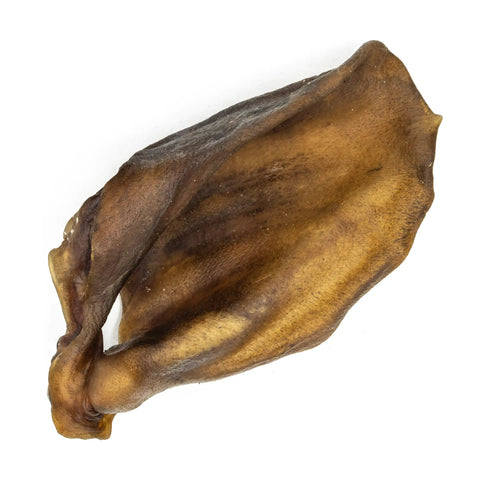
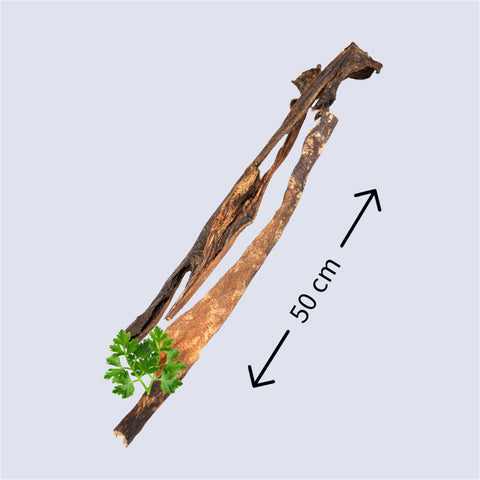
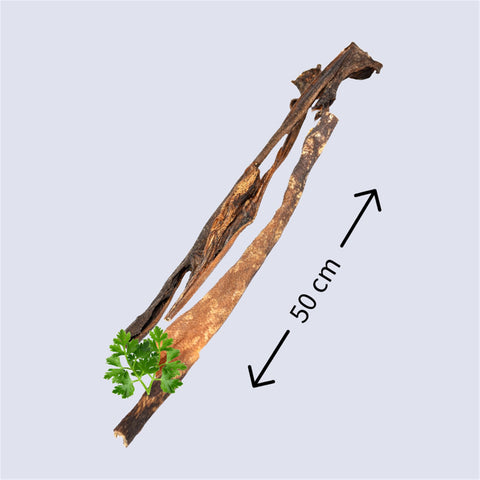
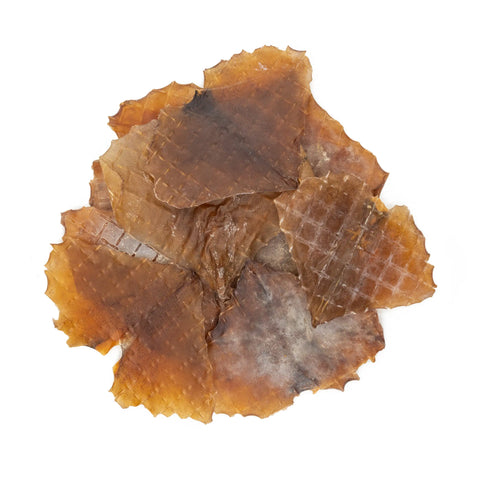
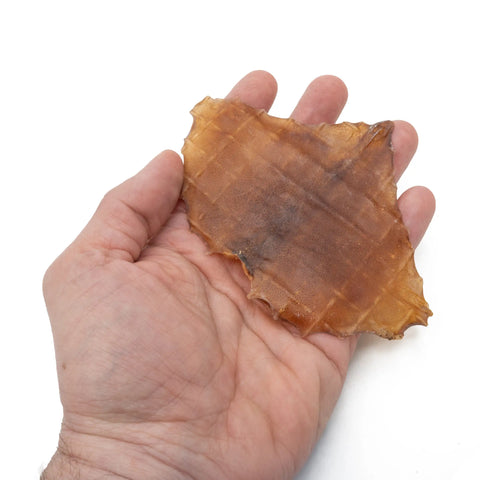
Chews can trigger allergies too if they come from the wrong animal. Safe chews for allergy sufferers: horse skin, horse head skin, deer skin, deer legs, fish skin, tuna bone, or entirely animal free chew wood and chew root.
Related categories: Single protein treats, Vegetarian chew snacks, Digestion.
